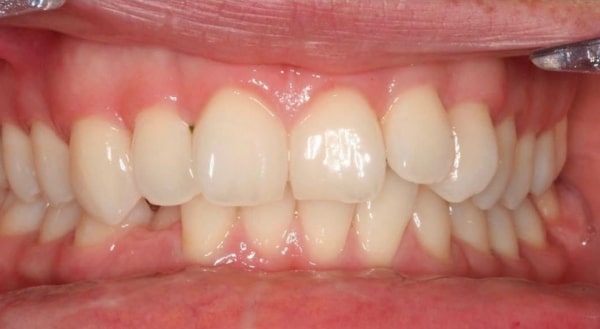
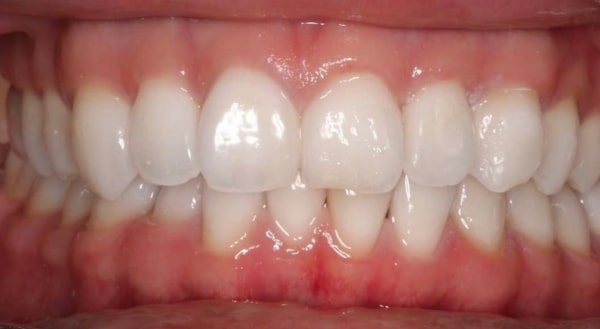
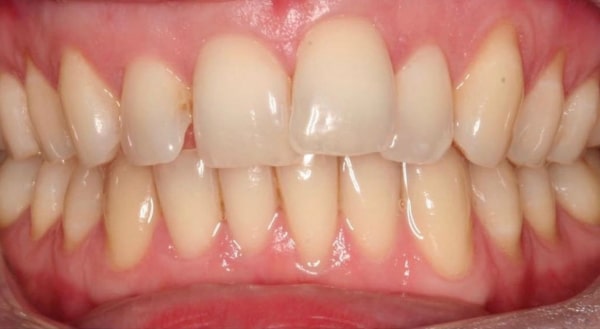
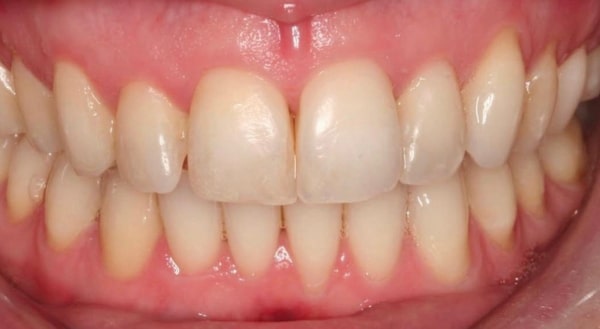
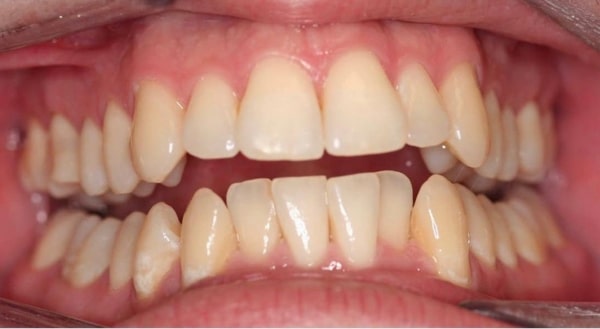
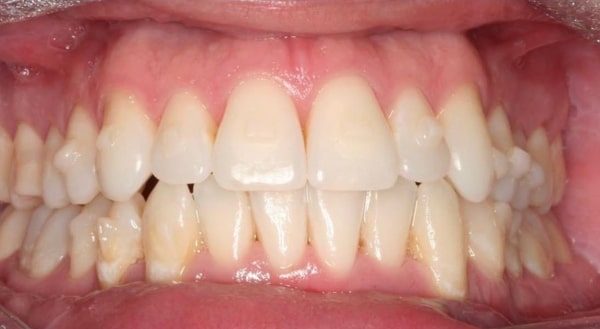
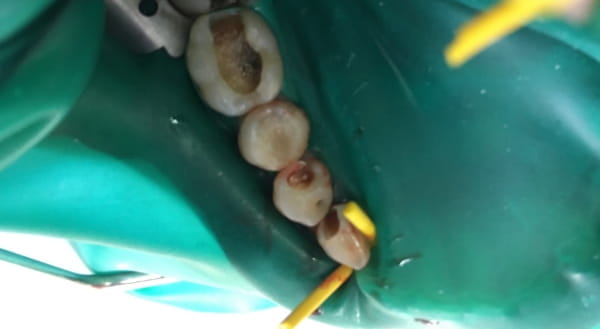
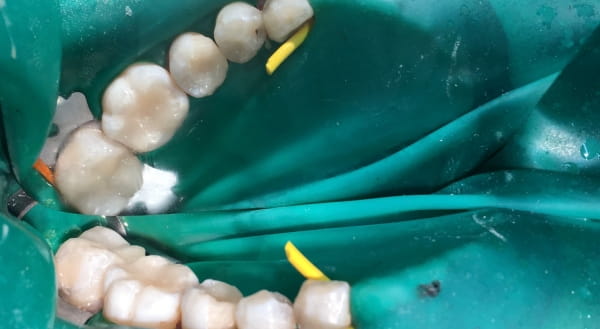
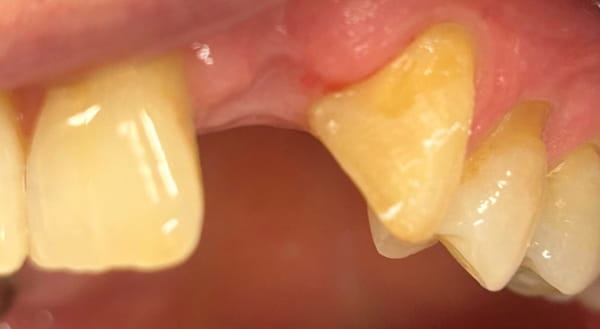
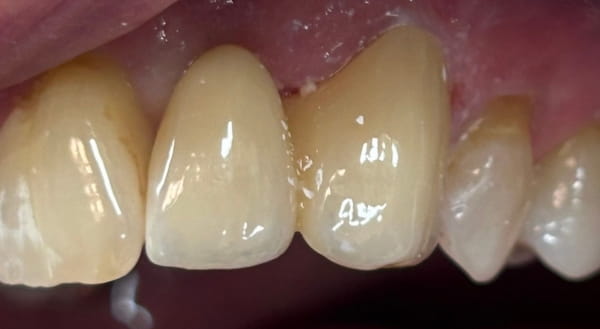
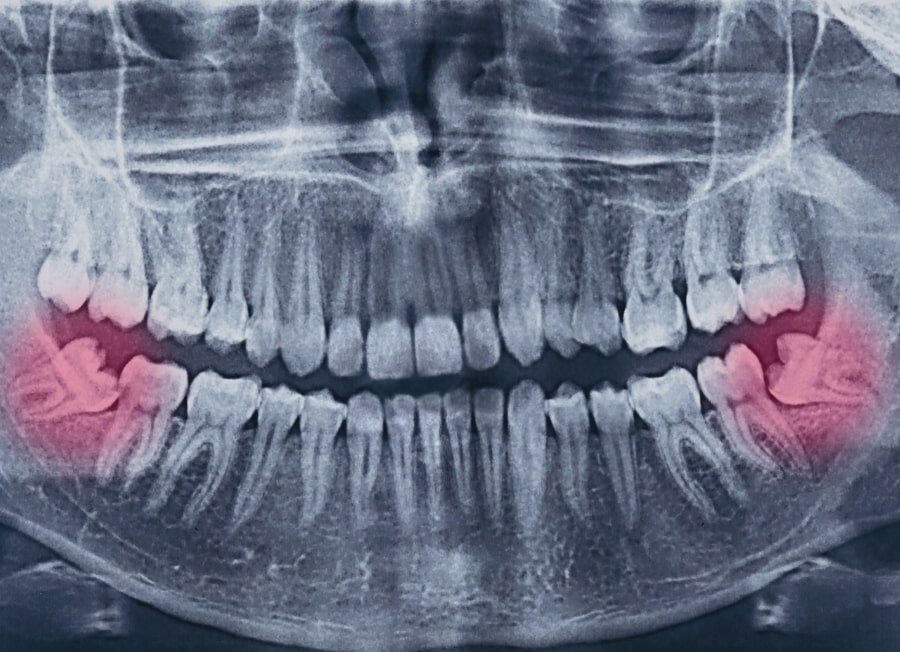
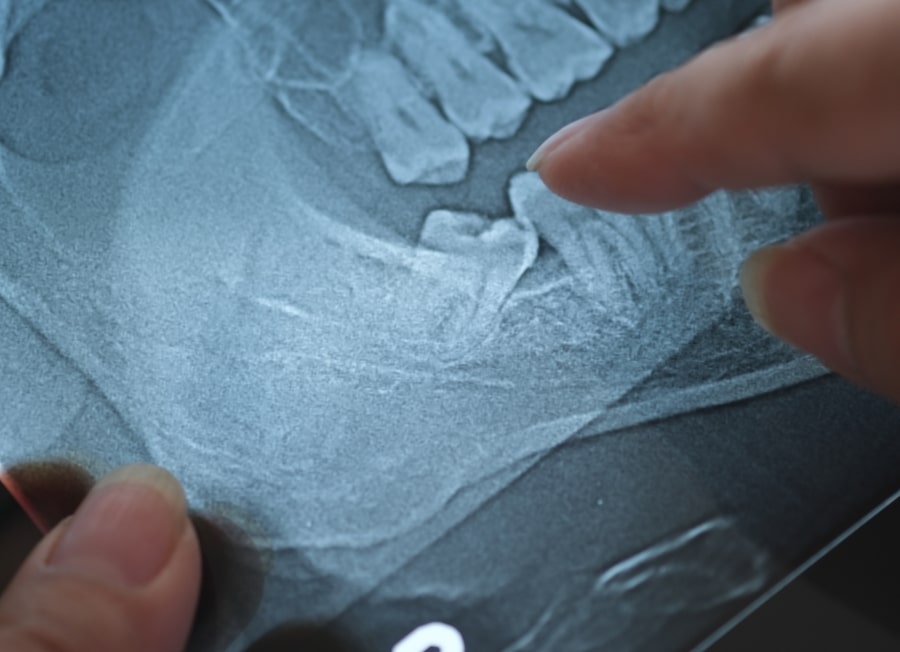
Dentists recommend tooth extractions when a tooth is severely decayed, infected, damaged beyond repair, or causing overcrowding. Dental extractions are also frequently performed for impacted wisdom teeth and as part of orthodontic treatment.
The procedure is typically carried out under local anaesthesia, ensuring comfort and minimal pain.
Dental extractions are generally safe, but potential complications may include:



“I was referred here after my previous dentist in Wellington stopped Denplan, and I’m really glad I made the switch. Anthony was excellent — friendly, professional, and reassuring throughout. The hygienist (sorry I’ve forgotten her name!) was brilliant too —…”
“5 Stars.”
“I was referred here after my previous dentist in Wellington stopped Denplan, and I’m really glad I made the switch. Anthony was excellent — friendly, professional, and reassuring throughout. The hygienist (sorry I’ve forgotten her name!) was brilliant too —…”
“5 Stars.”


No. Dental extractions are performed under local anaesthesia. Mild discomfort after the procedure is normal and temporary.
Initial healing takes 7–10 days, while complete healing may take several weeks.
Dry socket occurs when the blood clot is dislodged. Avoid smoking, straws, and vigorous rinsing to prevent it.
Yes. Stick to soft foods like yoghurt, soup, and mashed foods for the first few days.
Contact your dentist if you experience severe pain, excessive bleeding, swelling, fever, or bad taste or odour.
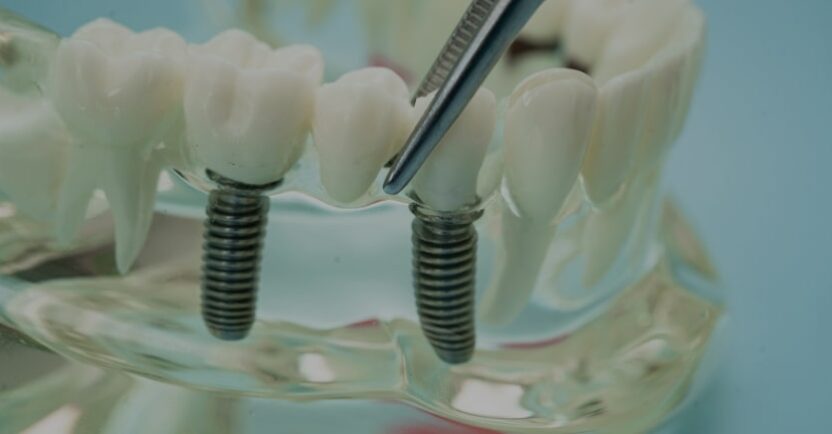
In most cases, yes. Options include dental implants, bridges, or dentures to prevent sthe hifting of nearby teeth.
From routine care to advanced dentistry, we offer a full range of treatments to keep your smile healthy and confident.

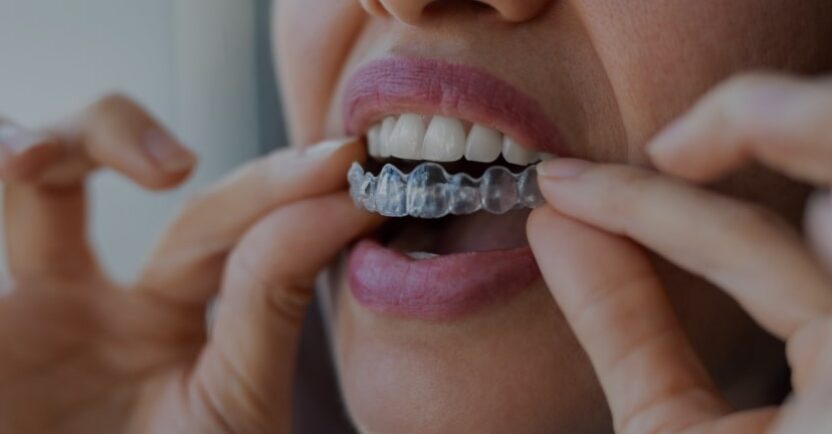
Our tailored cosmetic treatments are designed to boost confidence and achieve natural, lasting results.
LEARN MORE
Our tailored cosmetic treatments are designed to boost confidence and achieve natural, lasting results.
LEARN MORE
We’re here to answer your questions and help you book your next appointment with ease.